Movement that doesn't feel like punishment
For years I moved my body as penance. Too much of this, not enough of that. Then one day on a trail I realised I was moving because I genuinely wanted to feel the ground under my boots, and that felt completely new.
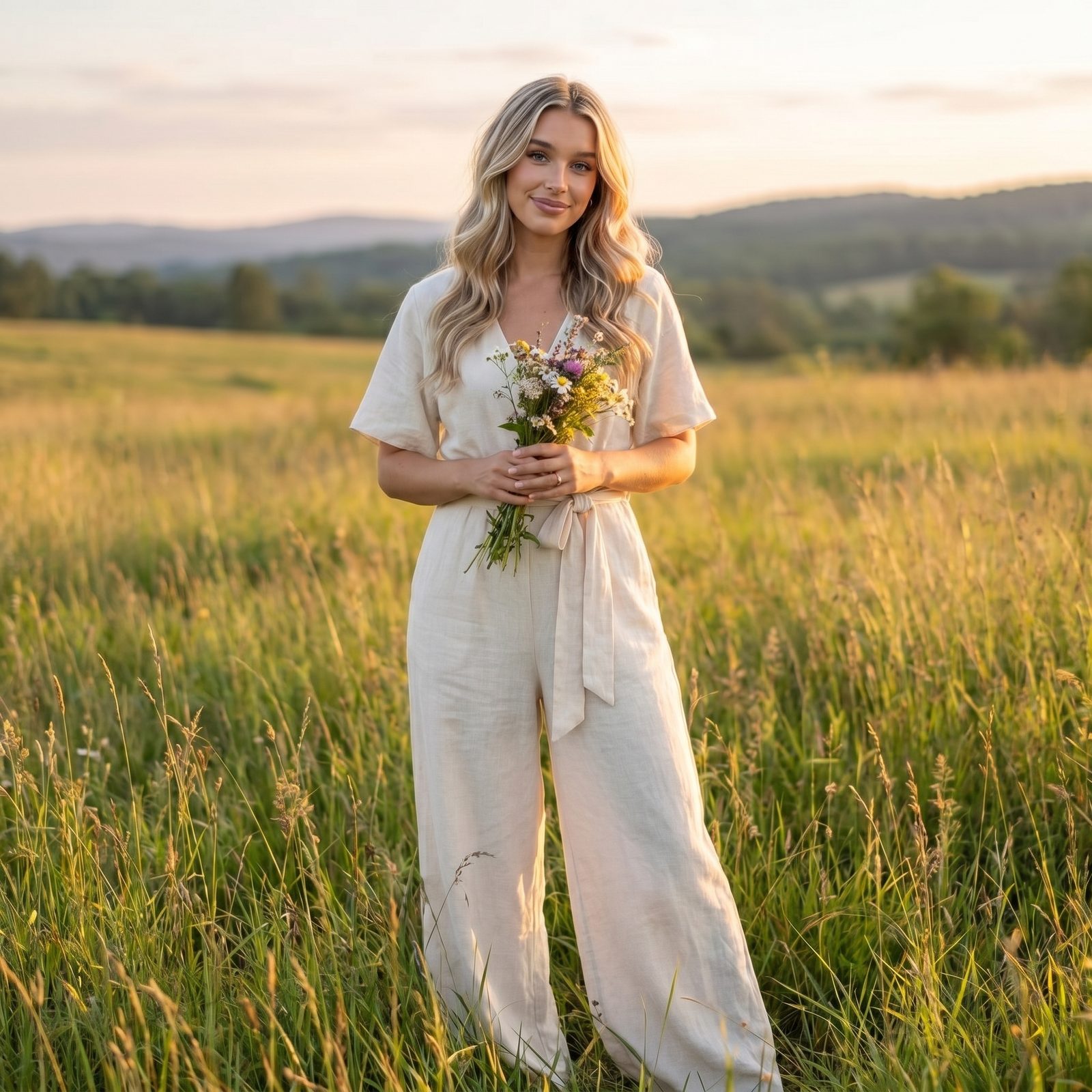
I need to tell you about the voice first, before anything else makes sense.
It was a specific voice, internal, that had narrated almost every form of physical movement I'd engaged in for the better part of my twenties. It was efficient and relentless and it sounded, embarrassingly, like a combination of every fitness app I'd ever downloaded and the worst version of myself at seventeen. It talked in deficit. In calories in versus calories out. In metrics of deserving: if I do this, I can have that. If I didn't move enough today, the accounting is off and I owe the balance somewhere.
I used to think this was normal. I think a lot of people do. The whole cultural apparatus of fitness is built around this language, earned rest, burning it off, earning your treat, and it infiltrates the way we think about our bodies so early and so completely that it can take years to identify it as distinct from something else. From, say, just, moving because it feels good to move.
For years I exercised as penance. That's the honest word. Not punishment in a dramatic sense, but a kind of perpetual settling of accounts. And the result was that any form of movement I undertook carried a weight of obligation that made it, uniformly, slightly joyless. Even on the good runs, even on the days when my body felt strong and capable and I was genuinely proud of it, the voice was there, running the numbers.
The hike that changed things
There's a trailhead I found a couple of hours outside the city, a friend mentioned it, a photo caught my eye, I put it in a note on my phone and then mostly forgot about it until a Saturday in July when I woke up early and the weather was extraordinary and I thought: today's the day.
I chose it because the view looked beautiful on a map. Not because of a calorie goal. Not because I'd "been bad" the week before and needed to compensate. Not because of any metric or habit tracker or plan. Just because someone had taken a photograph of a view and it looked like the kind of thing I would want to have seen with my own eyes.
That distinction felt small at the time. I didn't think I was doing anything particularly radical by choosing a hike for the simple reason that I wanted to see the thing at the top of it. But somewhere on that trail, about halfway up, breathing harder than I'd expected, the city long since disappeared below the tree line, the sound the world makes when there's no road noise and no people and just wind in leaves, the voice went quiet.
I noticed it was gone in the way you notice a sound has stopped: by the sudden presence of a silence that's better than what was there before.
Standing at the top of something
I came over the final ridge about an hour and a half into the hike, just as the afternoon sun was crossing its highest point and starting its slow decline toward the valley. The view opened all at once, you can't see it coming because the trail bends and then you're there, and then the whole valley is in front of you, kilometres of it, fields and treeline and the far edge of the ridge going gold in that late afternoon light that makes even ordinary landscapes look consecrated.
My lungs were burning in the best way. That particular burn that means you've used your body properly, that you've been somewhere and done something with the engine of it rather than just carrying it around. I sat down on a flat rock and drank from my water bottle and felt, not accomplished in the voice's sense, not calories-burned accomplished, just: satisfied. Like my body had done what it was built for. Like the whole enterprise of having legs and lungs was suddenly explicable.
The valley went gold below me. A bird of some kind, large and unhurried, circled in the updraft. I was alone up there for about twenty minutes before a couple of other hikers came over the ridge and smiled and found their own flat rock at a respectful distance. We didn't speak, but I remember thinking: this is being fit. Not the tracking kind. Not the six-weeks-to-summer kind. This: standing in your body on top of a hill and breathing the air and knowing that your body brought you here because you asked it to, and it did it, and it was worth it.
Your body is not a problem to be solved. It's the place you live.
What gentle movement actually means in my week
I want to be careful not to turn this into a before-and-after story where the hike cured everything and I now float through my days in wholesome athletic bliss. That's not how it went. What shifted was more like a calibration, a slow revision of the internal narrative, not a single dramatic replacement of it.
What "being fit" looks like in my week right now is not impressive. It is not something that would fill a fitness influencer's content calendar. It is: walks. Proper ones, with shoes and no podcast, in whatever direction seems interesting, for as long as my feet want to go. A stretch in the morning that takes maybe eight minutes and is not a yoga practice in any serious sense, just moving the parts that have been still overnight. Dancing in the kitchen while the pasta cooks, which is not a joke and which I do more often than I would have admitted six months ago.
Occasional longer things, another hike when the weather cooperates, a longer bike ride, something that uses my whole body for an hour or more, but those are the exception, not the structure. The structure is small and daily and genuinely pleasurable, which is a sentence I genuinely could not have written about my relationship with exercise two years ago.
The one rule I gave myself
Somewhere in the process of overhauling this, I made myself one rule: if I dread it before I start, I'll choose something else instead. Today.
Not forever. I'm not giving myself a permanent pass from anything that feels hard. But "I dread this specific thing in this specific moment" is now information I allow myself to act on rather than override. Because I've noticed that dread, that particular tight reluctance before some forms of exercise, is usually the voice. It's not my body saying no. It's the penance framework saying: you should suffer through this because suffering through it is the point.
When I choose something else, when I swap the workout I dread for a walk I actually want to take, I move more, not less. The walk happens. The thing I was dreading might not have happened anyway, might have been cancelled internally three times before I actually did it with no enjoyment and resentment simmering underneath. The walk just, happens. Because I wanted to. Because the permission to want things and act on them, in the body domain as in every other, turns out to be more generative than obligation.
I'm still working on this. Still find the voice showing up after a day of not moving much, still have to talk myself out of the deficit accounting occasionally. But the hike is still with me, the way the valley went gold, the way my lungs burned in the good way, the particular quality of that silence when the voice went quiet halfway up the trail, and I go back to it when I need to remember what the alternative feels like. Moving because the world is beautiful and has hills in it. Because you have a body that can take you places. Because one afternoon last July a bird circled in the updraft over a valley and you were there to see it, because your legs carried you there, and that was the whole entire point.
What I'd tell my earlier self about all of this
I've been doing this particular rethink about movement for a few months now, since the hike, roughly, or since the permission I gave myself after the hike, and the honest answer is that I'm still unlearning things. Still catching the voice occasionally. Still have days where I move my body for slightly the wrong reasons, out of guilt or obligation or the ambient cultural pressure that tells women especially that their bodies are always a project in progress rather than the vehicle through which they get to exist.
But I'm better at catching it now. And when I catch it, I know what to do with it: swap the obligation for the want. What would I actually enjoy doing with my body today, if I let enjoyment be the only criteria? The walk, usually. Sometimes the stretch in the morning light. Occasionally something longer, if the world has something beautiful in it worth walking toward.
If I could go back to the version of myself who was in that particular punishing relationship with exercise, the one running mental calculations, earning and owing, tracking and measuring, I think I'd say: your body is already enough. It doesn't need to be optimised. It doesn't need to earn anything. It's the thing carrying you through your actual life, right now, today, and it would like to move in ways that feel good rather than ways that feel like settling a debt.
And: there will be a hike at some point, on a day when you choose it for the view rather than the calories, and you'll stand at the top with your lungs full and the valley going gold and you'll understand everything differently. It doesn't have to be that hike, exactly. It just has to be the thing you chose because the world is beautiful and your body can take you there. Start there. Start with wanting to see the thing at the top. The rest follows.